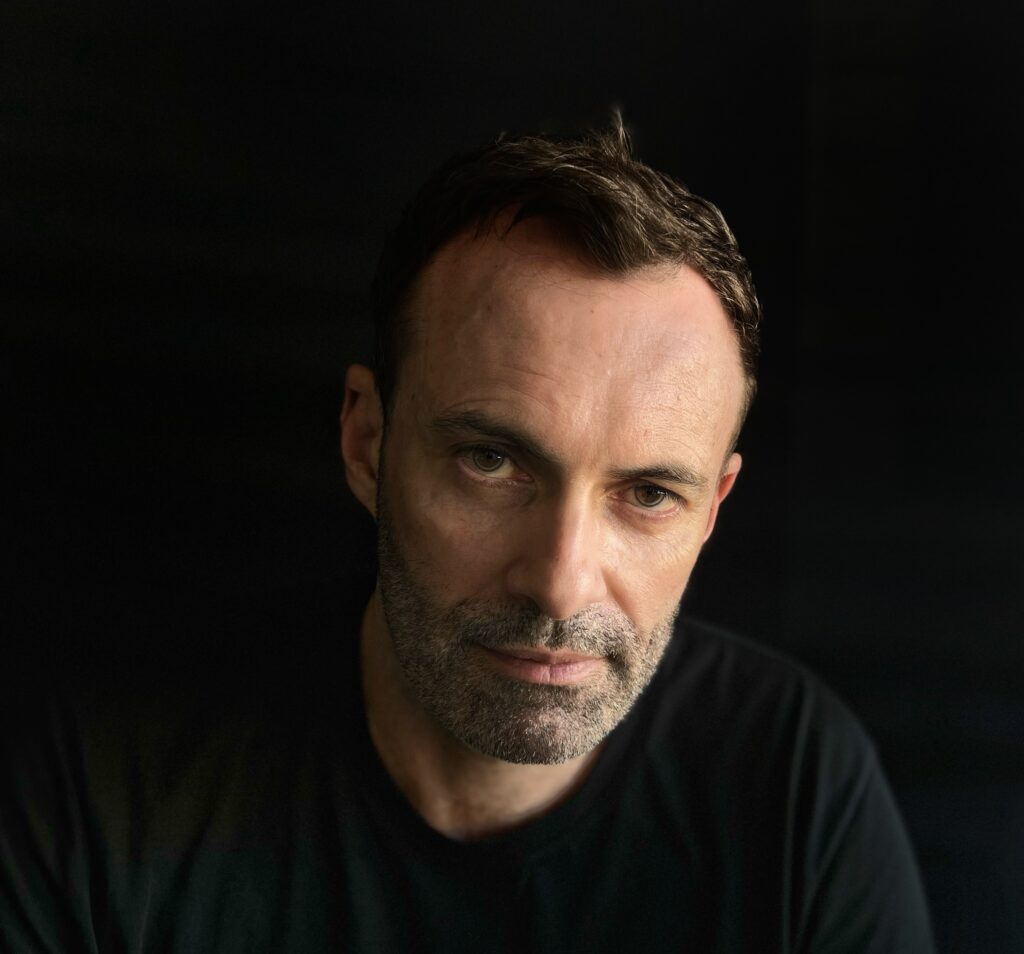


In the sometimes-pretentious world of literature, tall Tony Park is a refreshing tonic — a writer who went from novice novelist to international bestseller.
The 60-year-old Australian author recently charmed an audience in Pennington, where he has bought a home. These days, he spends more time in South Africa than in the land of his birth. Originally from Sydney, he now has homes on the KwaZulu-Natal South Coast and near Kruger National Park.
Plain-speaking and self-effacing, the former journalist was 40 when he fulfilled a lifelong dream and had his first novel published by Pan Macmillan. Since then, he has written 22 novels and sold hundreds of thousands of books worldwide, with several reaching number one in South Africa.
Much of what is written about Tony compares him to Wilbur Smith, whose first novel, When the Lion Feeds, launched a runaway career in African adventure fiction. While both write in the same genre, Tony’s start was far less glamorous — though he would later share a stage with Smith himself.
Tony’s mother was an avid reader who introduced her sons to the library. Young Tony was mesmerised and thought writing books would be a great job. He dropped out of university, became a journalist, then worked in public relations before quitting to write his first novel.
He ignored advice from friends who warned him against it, including a mentor who said: “Listen, mate, everybody has a book in them — and that’s where it should stay.”
Fuelled by a passion for stories and armed with two “how to write a novel” guides, Tony produced a manuscript so bad that even his mother struggled to praise it. With his tail between his legs, he returned to work as a freelance spin doctor — a career he might never have left had his wife, Nicola, not booked a life-changing African safari in 1995.
“I had watched a bit of David Attenborough on TV, but I wasn’t particularly interested in animals,” he says.
Arriving in Johannesburg, Tony admits he naïvely imagined the airport would be a tin shack beside an airfield with a few cows nearby. Instead, a self-drive trip through Kruger National Park left him electrified by the sights and sounds.
He could barely contain his excitement at seeing his first zebra.
“Each day was more exciting and unpredictable than the day before. All these people we met had stories that made Crocodile Dundee seem tame. We wondered if there was something in the water. It wasn’t long before Africa had wrapped its thorny tentacles around our hearts.”
Tony and Nicola kept returning. In 1998, on their third trip, they joined an overland tour. Tony took his laptop and began writing a novel, feeding chapters to Nicola in instalments over their four-month journey.
That book, Far Horizon, was published in 2004. It laid the foundation for 21 more bush thrillers, earning Tony a reputation as a master of fast-paced, contemporary African adventure fiction. His stories often focus on poaching, wildlife conservation and the illegal trade in endangered species. His latest novel, The Protector, centres on a pangolin expert inspired by a real-life professor he knows.
In addition to his novels, Tony has written ten biographies.
His writing process is anything but conventional. Textbooks suggest having a fully formed plot before starting a novel, but that approach doesn’t work for him.
“I let the plot unfold as I write, and the characters reveal themselves along the way. Over here, if you are stuck for material, all you have to do is turn on the radio and listen to the news.”
Besides his childhood dream of becoming a writer, Tony once wanted to be a pilot. That didn’t happen, but for 34 years he served in the Australian Army Reserve as a parachutist and later as a press officer in Afghanistan.
Standing 6’6” tall, he balances writing, travel and support for wildlife charities with singing badly at parties, enjoying a beer and going for a run.
“The best book ever written about how to write fiction is Stephen King’s On Writing: A Memoir of the Craft. I don’t read King’s novels — I don’t like horror — but I wish I’d read On Writing when I was starting out. The first half is autobiography, which is fascinating, and the second half is his no-nonsense, often funny advice for writers.”
On being a famous author
Tony laughs about his early fantasies of literary fame.
After Far Horizon was published, he spotted a woman in a bookstore holding his novel. He had imagined this moment many times. Confidently, he approached her and said, “If you buy it, I’ll sign it.”
The startled woman recoiled, unsure what he meant. Tony’s suave author moment quickly unravelled as he tried to convince her that the photo on the back cover was indeed him.
She admitted she had picked up the book only because she thought it was by Wilbur Smith.
To make matters worse, a store assistant approached with a copy of Shantaram by Gregory Roberts and, glancing at Tony’s book, advised: “Nah, rather take Shantaram.”
Tony’s story echoes Wilbur Smith’s own first brush with fame. At Heathrow Airport, Smith once saw a woman reading When the Lion Feeds.
“That’s my book,” he told her.
She replied: “I just found it on the chair, and it’s rubbish. You can have it back.”