
How much liberty would you surrender to live in a crime-free country where education is prized, the economy is booming and good jobs are easy to find?
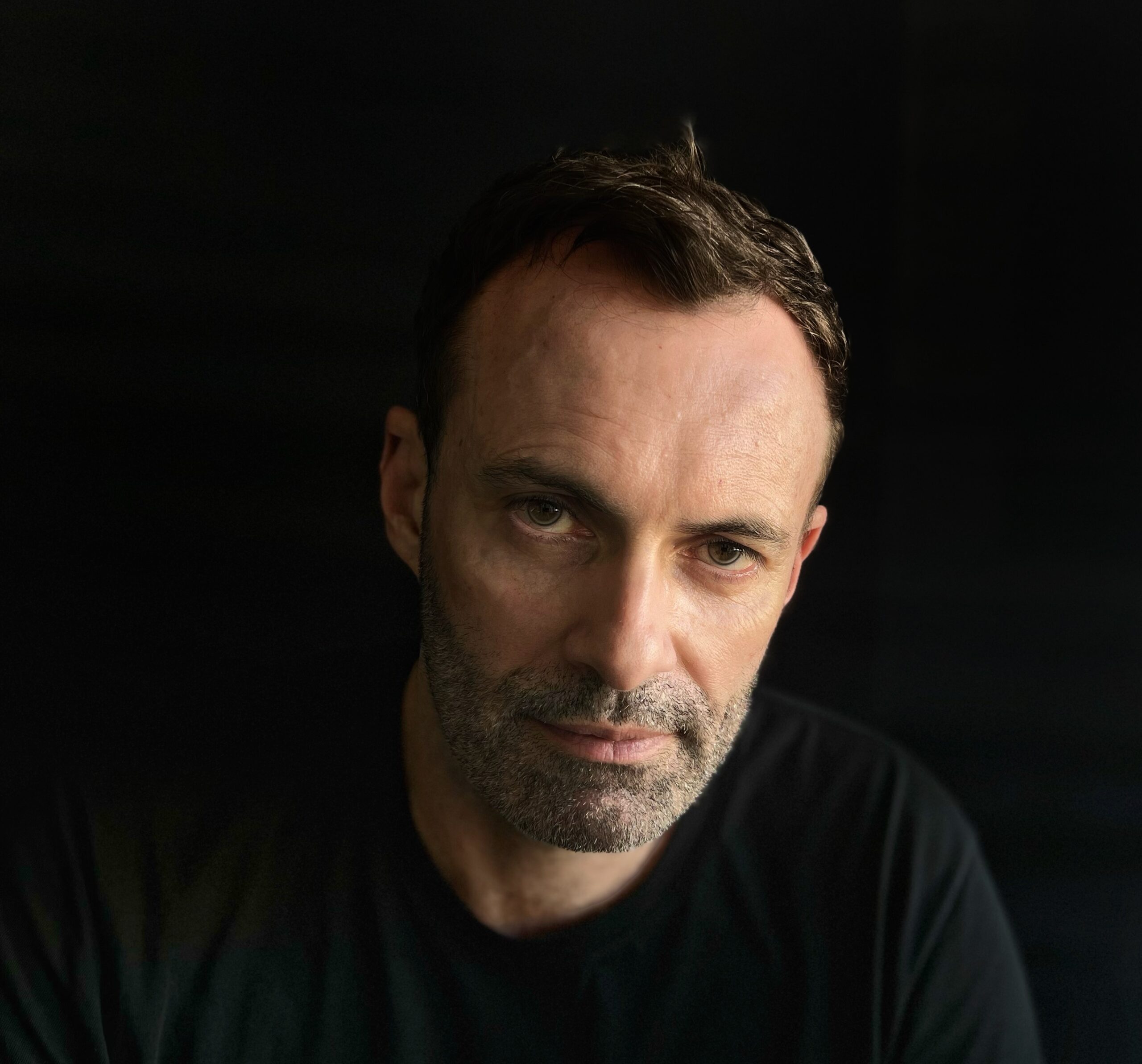
That’s the question former Durbanite Nick Clelland explores in his sharp political thriller, Good Hope.
The novel imagines a utopian breakaway state in the Western Cape — the Territory of Good Hope — where prosperity and order come at the cost of personal freedom.
A Glenwood High School old boy, Clelland was a DJ before entering politics. In 1999, at just 27, he became one of South Africa’s youngest Members of Parliament. A politics major at university, he later reinvented himself as an adviser, consultant and coach.
He has worked mainly with DA politicians, but in 2007 he moved to New Zealand, where he served as chief of staff to Auckland Mayor John Banks for two years. In 2018, he co-authored The Art of Managing the Media with former DA strategist Ryan Coetzee.
Now based in Cape Town, Clelland makes his fiction debut with Good Hope.
The dystopian story imagines a seceded Western Cape where citizens trade civil liberties for stability and economic growth. It is a bold and timely concept, artfully executed.
For many South Africans, the Western Cape can already feel like another country. In much of Cape Town’s city centre and suburbs, services function, streets are clean and order prevails — a stark contrast often drawn, fairly or not, with struggling metros elsewhere.
Clelland extrapolates this sentiment into a fully fledged alternative state, fuelled by an oil discovery and lucrative trade deals with the United States. But the success comes at a cost. Good Hope is Big Brother on steroids: constant surveillance, restricted freedoms and a qualified franchise.
The novel has drawn strong praise. Cape Town Mayor Geordin Hill-Lewis called it “a riveting read and a scary glimpse into what happens when liberty is traded for order”. Daily Maverick’s Ferial Haffajee wrote that “Clelland spins a great tale, and there’s more than a few political characters you may recognise if you enjoy politics”.
The book takes a moment to find its rhythm. The opening feels slightly abrupt, like an old engine turning over. But once it warms up, the narrative hums.
At its core, Good Hope raises compelling philosophical questions about self-determination and governance. Clelland cleverly appropriates liberation-struggle rhetoric and contrasts it with the supposed efficiencies of the breakaway territory, where pragmatism triumphs over hollow promises.
One passage captures the mindset of the new state’s citizens: they are “committed but conflict-averse… aphilosophical, unbound to any ideology other than the societal touchstones of ‘economic development and security’ — usually at costs.” Their parents, émigrés from what they saw as a failed state, are determined to protect their children “from another South Africa”.
In the tightly controlled Good Hope Territory, leadership is a heavy burden. “The temperament to make impossibly hard choices is what separates the weak from the brave,” one character reflects.
Clelland unpacks the moral logic of consequentialism — the idea that the ends justify the means — through the messy, compromised decisions politicians must make. The trade-off for freedom from crime and disorder is creeping authoritarianism.
Taken at face value, such a model might appeal to strongman politics or those nostalgic for simpler, more ordered times. But the point of the novel is precisely to expose the danger of concentrating too much power in too few hands.
Good Hope is evocatively written, with a keen eye for political detail. It offers gripping insight into how leaders can become seduced by their own narratives and sacrifice conscience on the altar of “progress”.
Is progress everything? Should pragmatism always trump principle?
That depends on how the story is told — and who is telling it. Clelland’s cautionary tale urges readers to be wary of charismatic figures who promise utopia while quietly redrawing the boundaries of freedom.