
Recycling is imperative in our pollution-choked world, but how do you enforce it and raise awareness, given how technically complex the issue sometimes seems?
Well, we can inform ourselves for a start.
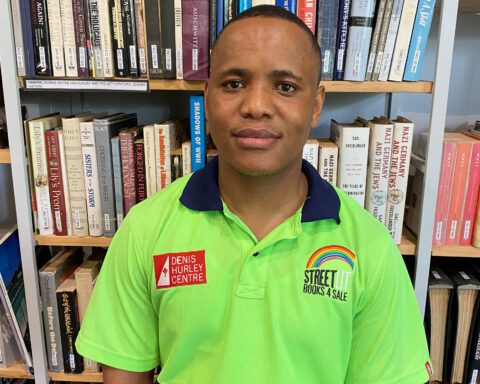
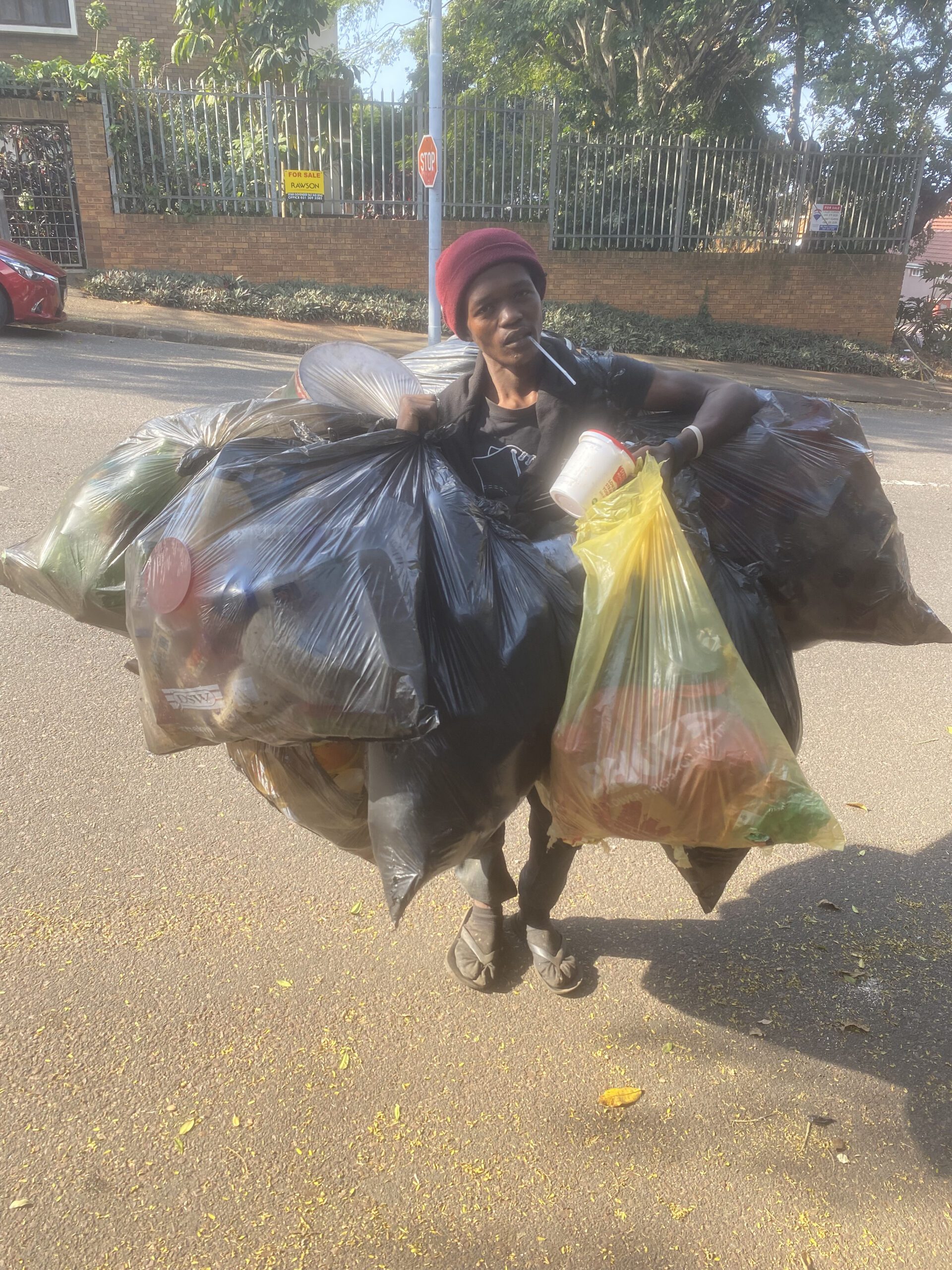
In Morningside, Durban, there is a hardworking young man named Lastborn Gumede who collects recyclable materials, mainly plastic.
In a world where 50 million tons of polyethylene terephthalate (PET) is produced annually, it’s impossible to imagine modern life without the versatile plastic that delivers water, soft drinks, and food.
Its efficiency is undeniable, but its environmental impact is potentially catastrophic.
Rah-rah, then, that German recycling company ALPLA opened a R1 billion PET recycling plant in Ballito that can produce 35 000 tons of recycled PET annually.
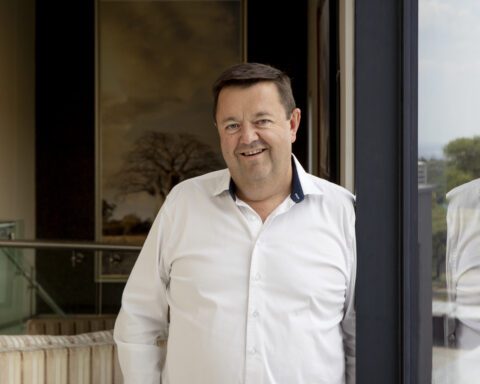
Cobus Oelofse, CEO of the Ilembe Chamber of Commerce, says it promotes the circular economy.
“Foreign direct investment that spans manufacturing and environmental sectors, creates direct employment opportunities whilst supporting a much broader job market with a demand for recycling materials, could not better fit our vision of sustainable growth.”
Cobus hopes the firm will collaborate to advance local recycling technologies.
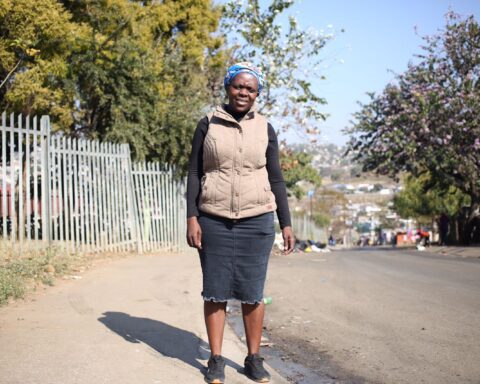
Cheri Scholtz is the CEO of Petco, which describes itself as South Africa’s longest-standing producer responsibility organisation.
She says the ALPLA plant will significantly bolster the country’s recycling infrastructure. A company called Extrupet in Gauteng also recycles PET. South African legislation will require PET beverage bottles to contain at least 20% recycled material by 2026. The law came into force in 2021, and the target was 10% in 2022.
Cheri said in 2023, Petco facilitated the collection of 90 000 tons or 64% of the PET beverage bottles placed on the market by its members. To capture the remaining 36%, Petco will promote design changes such as using clear PET and avoiding shrink sleeves.
As KwaZulu-Natal’s first bottle-to-bottle PET recycling facility, the Ballito plant will reduce transportation costs and carbon footprints and create a local demand for post-consumer PET bottles. The plant will need a steady supply of feedstock so households can separate recyclable PET from general household waste, enabling people like Lastborn Gumede to make a living.
Petco says the average 2024 price of PET per kg (at the recyclers’ gate) was R7.50/kg (clear PET), R4.50/kg (brown PET), and R5.50/kg (green PET).
Clear PET is the most valuable because it can be used for bottle-to-bottle recycling.
In 2023, more than 8 000 waste pickers sold their material to Petco-supported buy-back centres, but these are not all the waste pickers who make a living collecting PET.