
Think orphanage: think grim, grey places desperate for Daddy Warbucks.
Think again.
In the rolling hills of KwaZulu-Natal, two orphanages stand out bright and cheerful.
iKhethelo and Lily of the Valley in Botha’s Hill and Hammarsdale, west of Durban, were started 30 years ago in response to the HIV/AIDS pandemic.
Since then, they have provided homes and palliative care to thousands of vulnerable children.
The orphanages currently house about 130 children (85 at Lily and 45 at iKhethelo).
They are among about 4 000 children at about 60 orphanages in KZN.
This number does not include children in foster care.
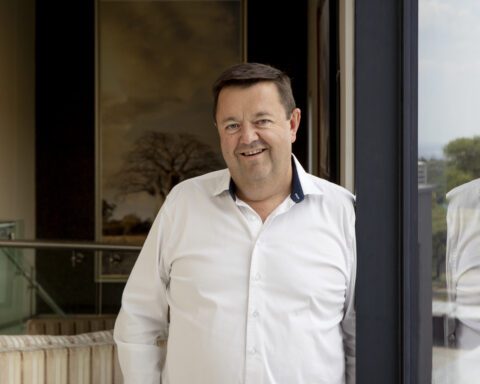
Graeme Wright is a former teacher who heads up the non-profit that runs iKhethelo and Lily of the Valley.
He and his wife, Tami, started as volunteers when they returned to South Africa from a work stint in the UK in 2011.
Christian values, underpinned by a focus on good health, quality education, and a nurturing environment, have enabled legions of children to graduate from the orphanages and go on to make a great success of their lives.
Graeme’s understated approach belies the success of the villages he and Tami run by leveraging government subsidies and donations.
“Environment plays a critical role in development. Orphanages shouldn’t be dull, depressing places. That’s why we painted the houses bright colours. Six to eight children live with a caregiver in each house. The children are placed with us by government social workers. Wherever we can, we help reunite the children with their families. But most often, that’s not possible. Some of the children suffer horrific neglect and abuse.”
Despite that, Graeme says the recovery prospects are “surprisingly good”.
The children are resilient and respond positively to a caring and nurturing environment.
A key factor in their success is quality education.
“We push hard to get most of our children into former Model C schools. They have a much better chance of overcoming a troubled home life if they aren’t in resource-poor, overcrowded state schools with no toilets and a host of social problems.”
The children have been able to break out of the cycle of poverty because they attend good schools and have had meaningful career guidance. Among the orphanage graduates are a medical doctor, two chefs working overseas, an air hostess, a fireman, a beautician, a graphic designer, fashion designer, civil engineer and a lawyer.
“If children have people who believe in them and if they have hope and something to look forward to, it is transformative.”
Graeme says the ‘graduates’ stay in touch with the villages that raised them, becoming role models and mentors.
“The kids see them, and they say: ‘Wow, I can do that!’
“It’s a shift from mere survival to fostering brighter futures. It takes personalised care to nurture a child’s potential, break the cycle of poverty and build a brighter future.”
While Graeme hustles daily, the orphanages’ success has seen sustained by foreign donations which cover 50% of costs. The non-profi t has an infl uential board and incredible donors.
Sihle Zibane (28) is a musician who lives in Johannesburg. He arrived at Lily of the Valley as a seven-month-old infant and left at 19. He was told his mother died giving birth to him. He has no knowledge of his biological family.
“Lily of the Valley was my family, and I never lacked love or support. The staff and the volunteers were amazing. After school, I participated in a programme that Graeme ran called iLaunch. It is difficult for a young person with no support structure, but they guided me and helped me get a tertiary qualification. I have a diploma in sound engineering. I got a second chance in life. I was raised with good values. They made me who I am today, and I am so grateful.”
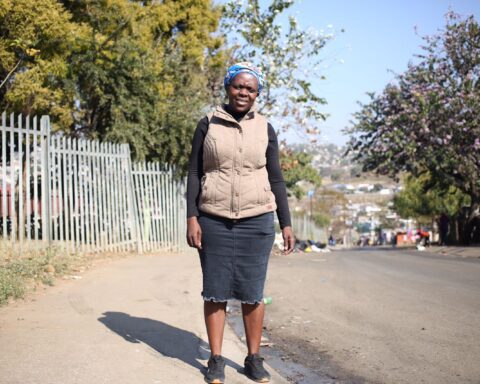
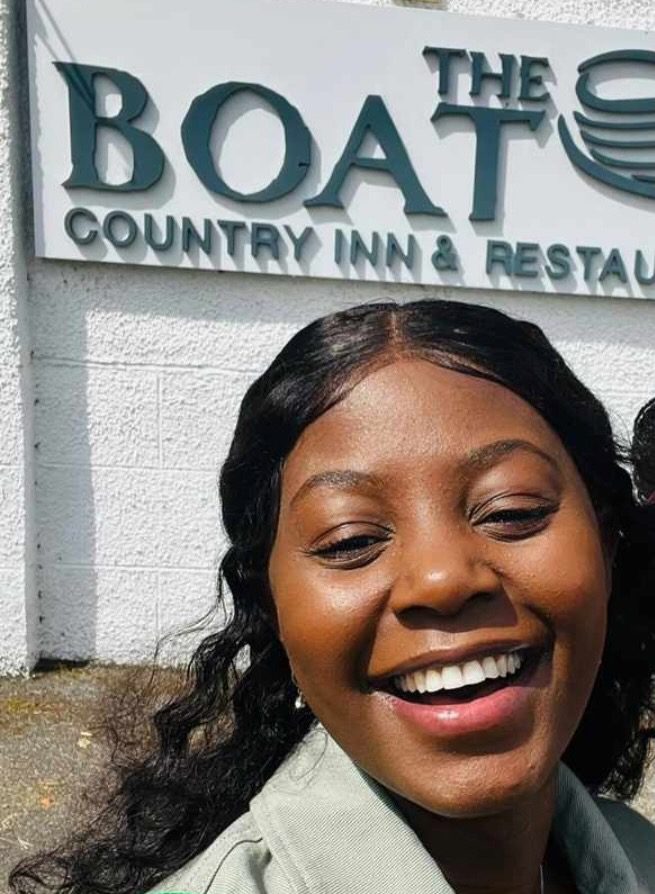
Thando Mkhize (26) is a chef who works in Scotland. {Thando is pictured above}
When she arrived at iKhethelo at the age of 11, she was reunited with her sister. “I was introduced to God and went to one of the best schools. During holidays, the church volunteers organised a cooking competition, and that’s when I realised I wanted to become a chef. I graduated top of my class at an international hotel school. This would never have happened if I hadn’t been in the village. It gave me the chance to dream big and work hard.”
Lungelo Ntuli (30) is a fireman with a driver’s license who is looking for a job. But, unemployment hasn’t stumped Lungelo’s progress. He arrived at iKhethelo aged 17.
“It was like heaven. At the time nobody was looking after my sister and I. We couldn’t go to school. And then we got to the home and people looked after us and packed our lunch boxes and helped us with our stationery. We were fed and looked after and given the resources to succeed. My sister is a lawyer now. If you get an opportunity you must give 110% and go for it. I left the home when I was 20, but Uncle Graeme continued to support me. We keep in touch. I haven’t had a job since I left school but have always worked. I built a house. I look after my family through parttime jobs.”
Last year, R7 million was raised in five months, and the organisation bought a farm near Howick to build a new orphanage near good schools. The Hammarsdale orphanage, Lily of the Valley, will be relocated there to be closer to good schools. The Howick site is spectacular, with trees, lush green meadows and buildings that can be repurposed to create a new village with eight houses, workshops, and supporting infrastructure.
“Our mission has always been to provide love and support and the best possible opportunities for the children in our care,” Graeme says.
“Relocating to Howick/Merrivale is a crucial step in ensuring they have access to quality education, a supportive community, and better resources to help them thrive. Beyond education, safety is a major concern at our current location in Hammarsdale, and this move will provide a more secure environment where our children can grow up safely.”