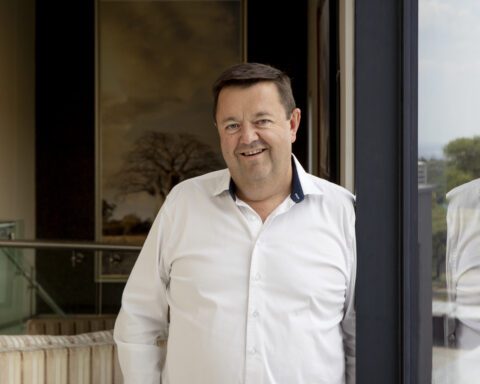

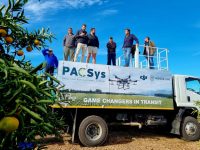

Tim Wise traded a job with an investment bank in the UK for the serene fields of KwaZulu-Natal, little knowing he would start a company pioneering agricultural transformation in South Africa.
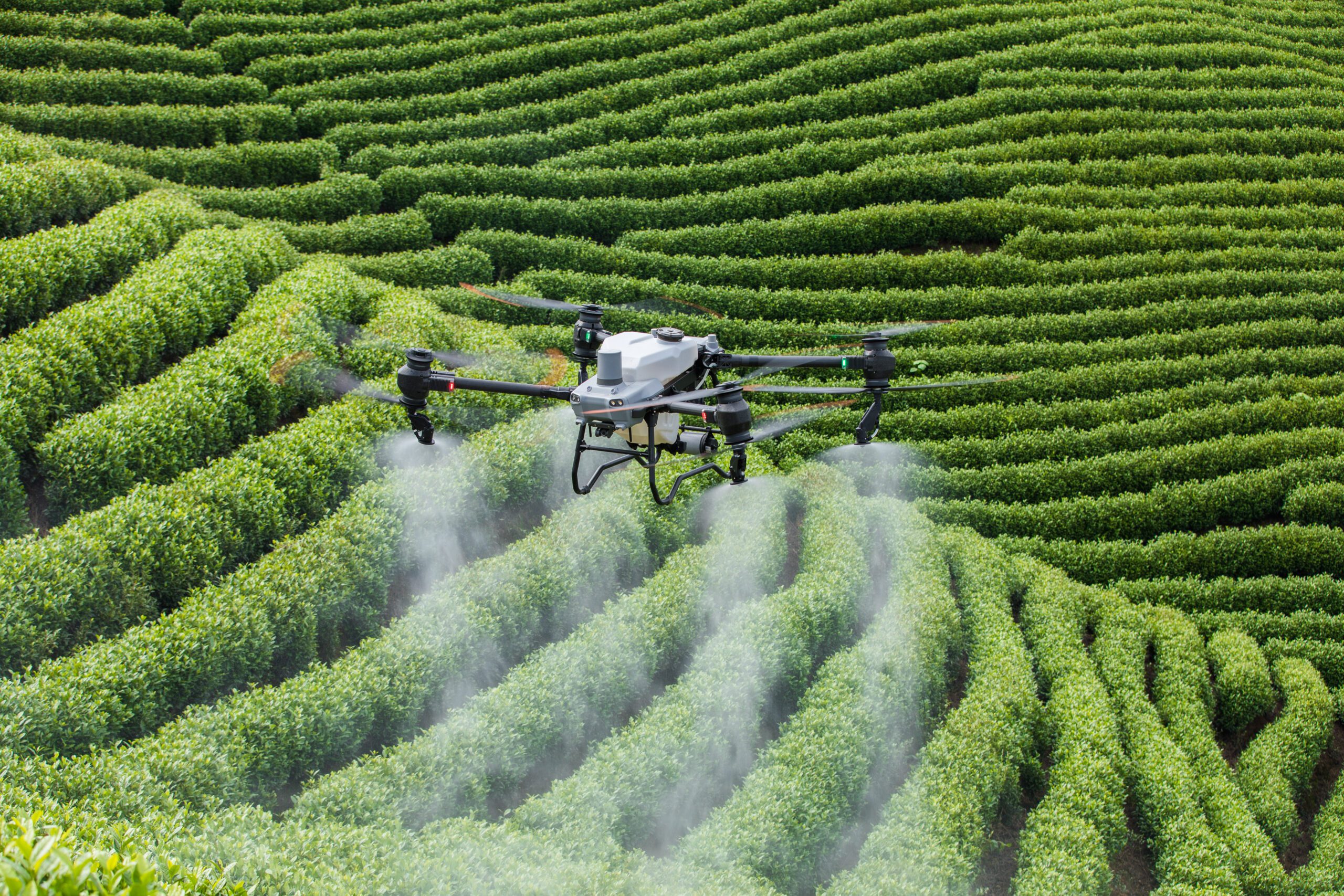
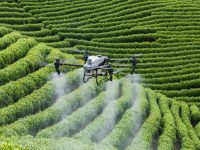
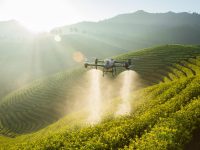
Tim is a 46-year-old university dropout who left the UK to return home to his family’s sugar farm on the north coast of KZN. It’s an area he loves, and he won’t be leaving anytime soon, especially not since he sold a majority stake in his business to one of Africa’s biggest fertiliser and pesticide suppliers. Eight years ago, Tim’s company PACSys (Precision Agricultural Systems) was launched on a wing and prayer. Now, it is a South African trailblazer. When he set off to China in 2016 in search of a drone, most people regarded the technology as a cute innovation likely to improve aerial photography. But Tim and a group of sugar farmers had other ideas. They needed a drone big enough to spray herbicides and spread fertiliser on sugar cane fi elds, so they passed the hat around to send Tim to the headquarters of the world’s biggest drone manufacturer, DJI, in Shenzen. There, the Chinese demonstrated their fantastic flying machines. Alas, the drones were good but needed to be better to work optimally in KZN, where sugar cane is often grown on hilly, inaccessible terrain with high winds. But this was precisely the reason the farmers were looking at drones. Spraying pesticides and applying fertiliser in sugar farms is costly and a bit hit and miss using aircraft and mechanical booms. Tim’s family are fourth-generation farmers involved in contract pesticide spraying for years. He immediately saw how drones could improve productivity on their farm. So, when DJI called him nine months after his fi rst visit to China, he was all ears. They said they had improved functionality by 80%. The development of drone technology has been exponential. When PACSys brought the first heavy lift agricultural drones to South Africa in 2017, the payload was just 10 litres. Now, it is 50 litres, and tests are being done on a behemoth that can lift 70 to 80 litres. Drones are transforming agriculture. The global agricultural drone market is estimated to be worth about $2 billion a year, and some say the sector is enjoying 30% compound annual growth. This is linked to population growth, climate change, the need for sustainable agriculture practices, and automated, customised spraying systems to maximise efficiencies. The critical driver is spiralling food demand: the world’s growing population needs more food, and drones off er to improve irrigation, pest control, crop health monitoring, and cost reduction.Tim and his partners jumped through hurdles to get PACSys going. Compliance requirements were stringent, and competitors realised the potential threat of drones and drove scepticism.But collaboration with DJI saw drones tailored to sugar cane’s unique needs, where fields are typically less than 10 hectares and often on undulating terrain compared to maize, for example, which has fields 10 or 20 times as big on vast, flat expanses. Since the Civil Aviation Authority granted PACSys a drone operating licence in 2019, the rate of technological advancement has been dramatic, and the current machines are almost ten times more efficient than those originally imported.
Drones offer up to 80% fuel savings compared to traditional aircraft and tractor methods and represent significantly better efficacy per hectare than conventional methods. Farmers who had to deal with oldlabour-intensive methods and logisticalchallenges were easily won over by thedrones, which can be quickly driven tothe site on the back of a bakkie and off erconstant precision.Tim’s detailed knowledge of sugarcane farming played a crucial role. He understood the specifi c needs of farmersand the environmental challenges uniqueto their region.“We were dealing with smaller-thanaveragefi eld sizes, irregularly shapedfi elds, steep slopes, coastal winds,powerlines, and bush lines.“All of these factors contributed tomessy application and drift.
“The drones significantly reduce driftand improve the quality of sprays. We consistently get better quality sprays than traditional aircraft have been delivering for decades.”One of the biggest potential beneficiaries of the drones is small-scale sugar cane farmers. In 2021, Tim and his team began a project with the SA Sugar Cane Research Institute to help small scale cane growers. They use drones to spray a chemical ripening agent that literally sweetens the crop before harvest by increasing sucrose content. It significantly improves the farmer’s yields and profits. What used to be an onerous, costly and laborious exercise annually spraying hard-to-locate, odd-sized fields awkwardly situated next to other crops, has become a cinch.
A drone takes five minutes a hectare to do what formerly took hours or days. The marvel of technology is one thing; establishing a business is another. The company struggled financially for the first four years. “It was tough, but we saw the potential and slowly grew the business, expanding into other crops and securing a dealership from DJI. About 2021, things took off. “We went from selling maybe 10-20 drones on average in the first few years. Now we’re doing about 200 units around the country every year.” The success of PACSys and the promise of drone technology attracted the interest of Dubai-headquartered ETG, a global food group with an annual turnover of around $3 billion. In April, ETG bought a controlling interest in PACSys, although Tim still has shares and runs the business from KZN. It has branches nationwide and is expanding into the continent, based on ETG’s footprint. Tim has been blown away by the company’s growth, but he treasures the personal development the firm’s success has had on his staff.
“When we started, we had two young guys earning modest salaries as assistants. Now, they are earning five times as much, and they are the most experienced on the drones. That’s an incredibly empowering journey.” And there is a positive impact on customers and the prospects of untapped markets. “At this stage, we are only servicing about five to 10% of the application potential across all the various crops in South Africa. The growth potential is massive, and if the development curve stays on its current trajectory, things are about to explode.”
Check Tim’s videos here: https://www.youtube.com/watch?v=JSO-sFf_RKA